In the world of mechanical engineering and construction, screws are more than just simple fasteners; they are the fundamental components that hold our modern world together. From the delicate assembly of a smartphone to the robust structure of industrial heavy machinery, choosing the right screw is critical for safety, longevity, and performance. This guide explores the technical nuances of screws, their standards, and how to select the perfect fastener for your engineering projects.
Understanding the Anatomy of a Screw
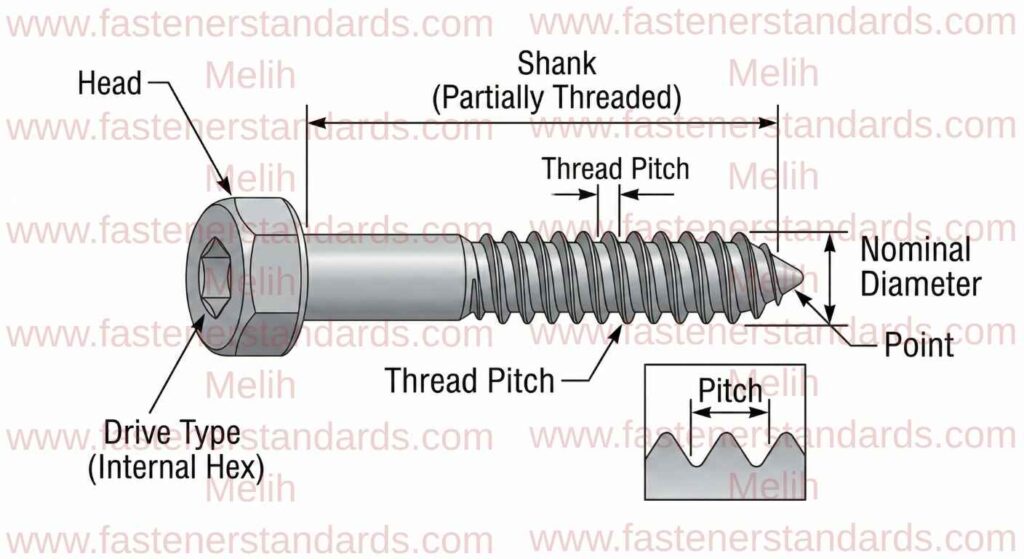
To master fastener selection, one must first understand the basic anatomy. A screw is defined by its head style, drive type, shank, and thread pitch. Unlike bolts, which usually require a nut and a pre-drilled hole, screws often create their own threads in the material or mate with internal threads.
- Thread Pitch: In metric standards (ISO), this is the distance between threads (e.g., 1.25mm for an M8 coarse screw).
- Shank: The cylindrical body. Some screws feature a partially unthreaded shank to provide better clamping force.
Major Categories of Engineering Screws
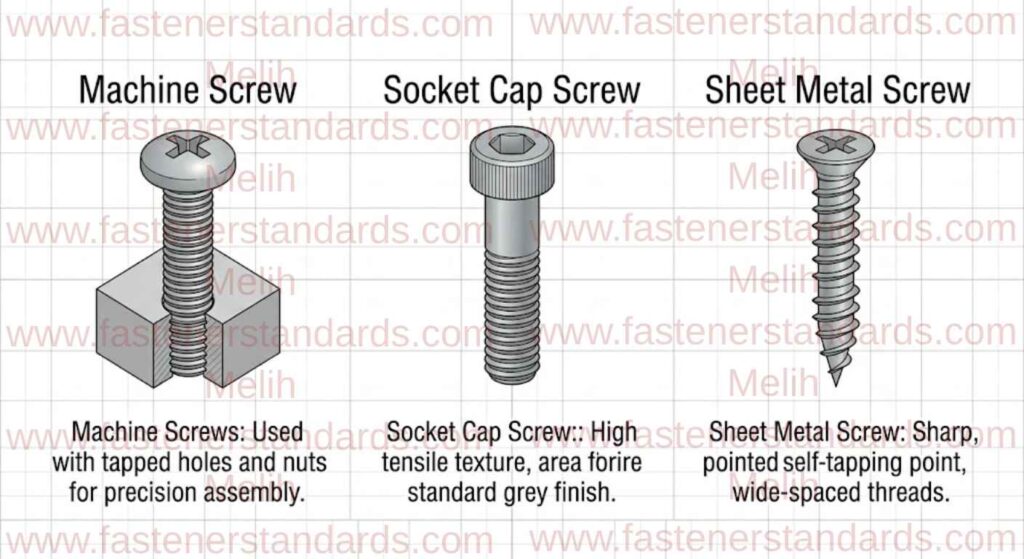
The category of “Screws” is vast, but three main types dominate the industrial landscape:
- Machine Screws: Designed for precision, these are used with threaded holes or nuts. They follow strict DIN or ISO standards (like DIN 7985) to ensure they fit perfectly into machined components.
- Socket Cap Screws: Often found in automotive and heavy equipment, these offer high tensile strength and a low profile. Their internal hex drive allows for high torque application without the risk of slipping.
- Sheet Metal Screws: Featuring sharp threads and points, these are designed to “tap” their own holes in thinner metal materials, providing a secure grip without secondary fasteners.
Standards and Material Integrity
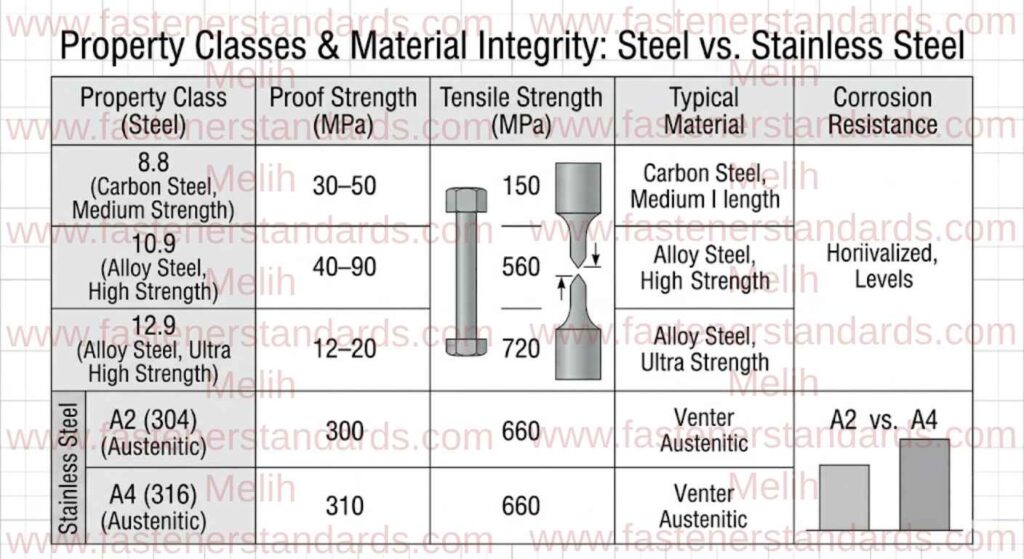
SEO and engineering success both rely on accuracy. When browsing fastener databases, you will encounter grades like 8.8, 10.9, or 12.9. These numbers represent the mechanical properties of the steel. For corrosive environments, switching to A2 (304) or A4 (316) Stainless Steel is mandatory to prevent oxidation and structural failure.
Conclusion: Why Precision Selection Matters
Using the wrong thread pitch or a lower material grade can lead to “thread stripping” or catastrophic assembly failure. For engineers and procurement specialists, referring to a global technical database for DIN, ISO, and ASME standards is the only way to ensure project compliance.
Always verify your dimensions and material specifications to avoid costly procurement errors.