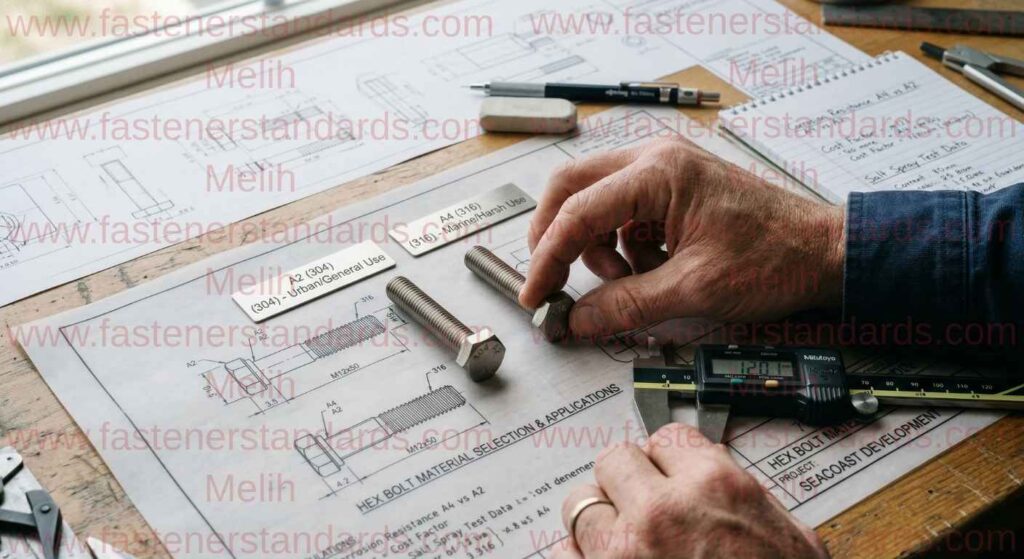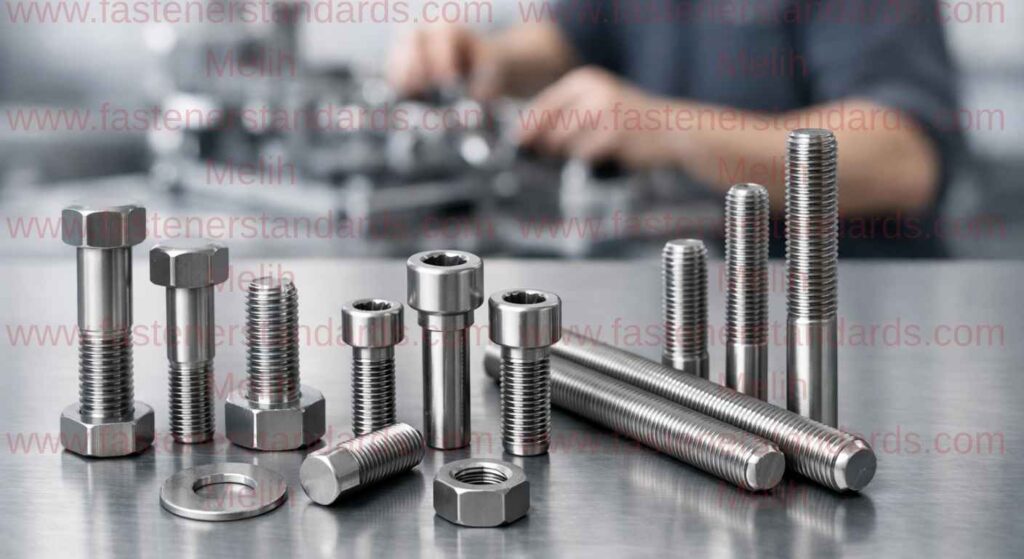
When selecting fasteners for projects exposed to moisture, chemicals, or extreme weather, standard carbon steel simply won’t cut it. This is where stainless steel becomes essential. Within fastener material standards, stainless steel is primarily classified into two main grades: A2 and A4.
While a standard hex bolt made of A2 might look identical to an A4 bolt to the naked eye, their chemical compositions and real-world applications are vastly different. Understanding the difference between A2 and A4 stainless steel is crucial for engineers to prevent catastrophic corrosion and assembly failures.
What is A2 Stainless Steel? (The Industry Standard)
A2 stainless steel, also commonly referred to as Type 304 or 18/8 stainless steel, is the most widely used grade for industrial and commercial fasteners. The “18/8” designation refers to its core chemical makeup: approximately 18% chromium and 8% nickel.
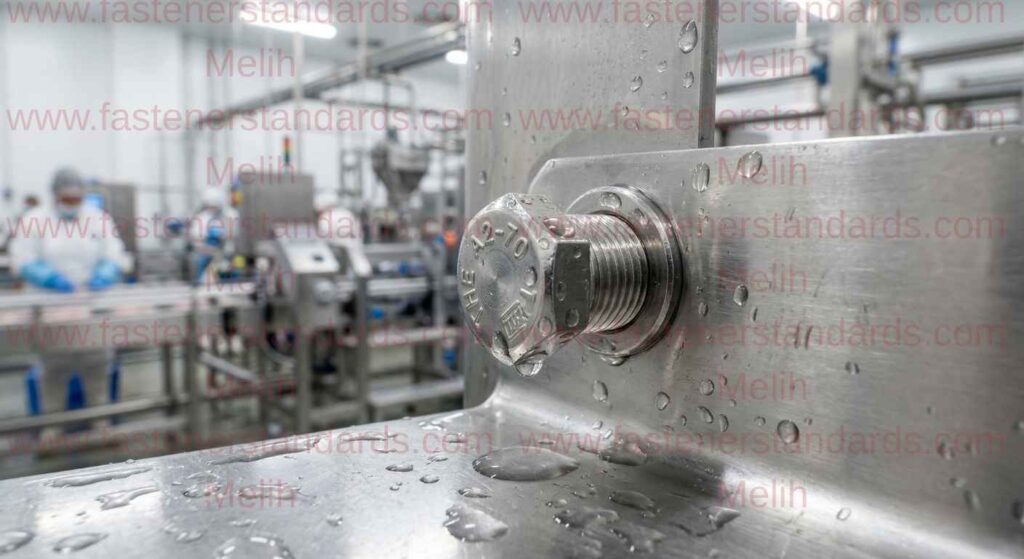
- Corrosion Resistance: A2 offers excellent resistance to oxidation and corrosion in general outdoor environments, freshwater applications, and architectural projects.
- Common Applications: Automotive manufacturing, food processing equipment, structural frameworks, and general mechanical engineering.
- Limitations: A2 is highly susceptible to pitting and crevice corrosion when exposed to chlorides (salt). Therefore, it should never be used in marine environments or near swimming pools.
What is A4 Stainless Steel? (The Marine Grade)
A4 stainless steel, equivalent to Type 316, takes durability and corrosion resistance to the next level. The critical difference between the two grades is the addition of 2% to 3% Molybdenum to the A4 chemical alloy.
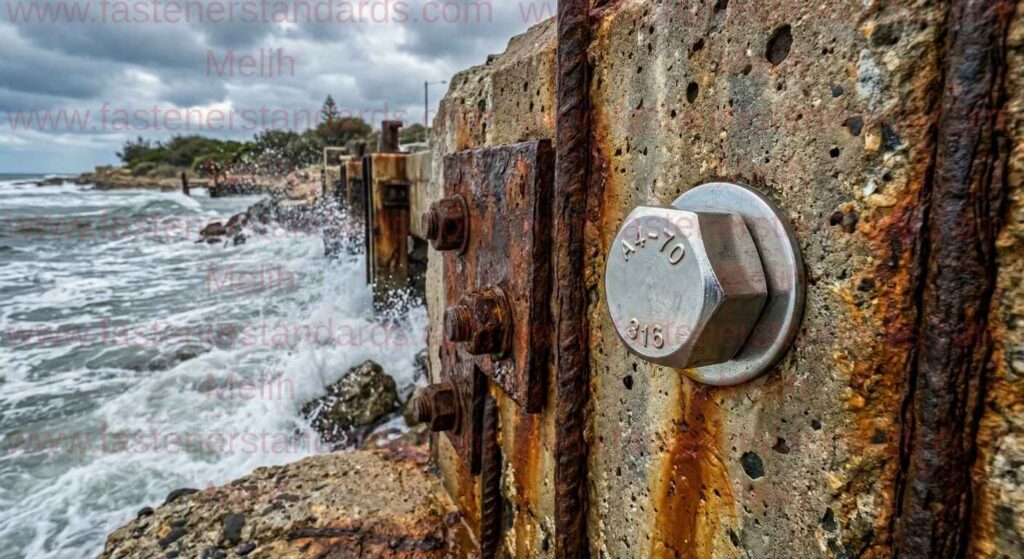
- Corrosion Resistance: The added molybdenum provides superior resistance to chlorides, industrial solvents, and harsh environmental conditions.
- Common Applications: Boat building, chemical processing plants, offshore oil rigs, wastewater treatment facilities, and medical equipment.
- The Molybdenum Advantage: This specific element acts as a shield, preventing the localized corrosion (pitting) that typically destroys standard A2 fasteners in saltwater conditions.
Key Differences: How to Choose the Right Grade
To ensure compliance with global fastener specifications like ISO 3506 (the standard for mechanical properties of corrosion-resistant stainless steel fasteners), procurement teams must weigh several factors before purchasing:
- Environmental Exposure: If the fastener will be submerged in saltwater, exposed to de-icing salts on roads, or placed in a chemical plant, A4 is mandatory. For rainwater and standard outdoor exposure, A2 is highly effective and sufficient.
- Cost Efficiency: Because of the added molybdenum and higher nickel content, A4 fasteners are generally more expensive than A2. Over-specifying A4 for a benign, low-risk environment can lead to unnecessary project budget inflation.
- Magnetic Properties: Both A2 and A4 are austenitic, meaning they are inherently non-magnetic. However, cold-working processes (such as thread rolling or head forging) can make them slightly magnetic. Generally, A4 retains a lower magnetic permeability than A2.
Conclusion
Mastering fastener material standards goes beyond knowing tensile strength; it requires perfectly matching the chemical properties of the bolt to its operating environment. Choosing between A2 and A4 stainless steel fasteners is ultimately a balancing act between budget and necessary corrosion resistance. By understanding these material property classes, engineers can ensure their structural assemblies remain safe, durable, and fully compliant with global standards.